Rucking
Denne artikkelen er på engelsk.
Rucking is a fantastic way to build strength, endurance, and fitness. This form of training involves walking or hiking with a weighted backpack across varied terrain.
Here you'll find all the information you need to get started with rucking – including an effective 4-week program. You'll also get tips on backpacks and suitable clothing to wear when you're out rucking.
What is Rucking?
Rucking is a form of training where you walk with a backpack loaded with weights. It’s a great full-body workout that builds strength, endurance, and cardiovascular fitness. Rucking has its roots in military training but has evolved into a popular fitness routine that just about anyone can do.
Rucking can also be more than just a workout – it can be a fun challenge and a way to connect with nature. Think of it as a form of mental training. When you challenge and push yourself forward, you may even experience something similar to a “runner’s high.”
Rucking is also a fun activity to do with friends or as part of a fitness community. The combination of strength and endurance makes it an enjoyable group challenge where you can motivate and push each other forward.
Why not create a rucking challenge? Some ruckers aim for a certain number of kilometers per week, while others sign up for competitions.
Backpacks for rucking
Make sure your backpack is comfortable and has padded straps. It's also helpful if it has front buckles or chest straps for added stability. A military-style backpack is a great option—just remember that you should be able to distribute the weight evenly inside the pack.
Our Borg Duffle Backpack is a great example of a rucksack with comfortable, adjustable shoulder straps and sturdy waist straps that help keep everything securely in place.
Here you can see our full selection of backpacks, to find your favourite.
How much weight should you carry in your backpack?
If you're a beginner, don’t start with too much weight right away. Begin with a lighter load and gradually increase it as you improve your technique and posture.
Start with 10–15% of your body weight—for example, 6–10 kg (13–22 lbs).
Gradually work your way up to 20–30%, depending on your goal.
You can use weight plates, sandbags, water bottles, or books as load. Just make sure to pack them tightly so they don’t move around while you're walking, as that can affect your balance.
Beginner Ruck Program – 4 Weeks
Goal:
Build up to rucking 5 km with 10–15 kg in good form, without pain or overuse injuries.
Basics to get started:
Weight: Begin with 6–10 kg depending on your fitness level.
Ruck Sessions: 3 times per week.
Rest Days / Active Recovery: Include light walks without weight or gentle strength training between ruck days.
This program helps you gradually improve endurance, posture, and strength—setting a solid foundation for more advanced rucking.
Ruck Program
Week 1
Session 1:
2 km ruck at an easy pace (approx. 20–25 minutes)
Session 2:
3 km ruck on varied terrain (include hills if possible)
Session 3:
2 km ruck + 3 sets of:
10 squats (wearing your backpack)
10 push-ups
10 lunges (5 per leg)
Focus:
Get familiar with the weight, test your gear, and pay attention to how your body responds. This week is all about building a solid foundation!
Week 2
Session 1:
3 km ruck – focus on maintaining a steady walking rhythm
Session 2:
4 km ruck on gently rolling terrain
Session 3:
3 km ruck + 3 strength stations (same as Week 1):
10 squats with backpack
10 push-ups
10 lunges (5 per leg)
Focus: Build endurance. If it feels easy, increase your pace, not the weight—yet.
Week 3
Session 1:
4 km ruck (time yourself and compare with earlier weeks)
Session 2:
3 km ruck on hills or soft ground (like forest trails or sand)
Session 3:
3 km ruck + 4 sets of strength stations
Focus: Build durability in legs and core. Get your body used to longer distances.
Week 4
Session 1:
5 km ruck – try maintaining a faster pace
Session 2:
4 km ruck + 5 sets of strength stations
Session 3:
3 km recovery ruck at a lighter pace, followed by a good stretch
Focus: Test your endurance. Ask yourself – are you ready to increase weight or pace next month?
What’s next?
If you’re feeling strong after 4 weeks:
Add 2–4 kg to your backpack
Include a 4th session per week or increase your distances
Set new goals: 8–10 km rucks, or combine rucking with strength training, trail running, or HIIT with your pack on.
Benefits of rucking
Rucking is a form of exercise with many health benefits, while also engaging multiple muscle groups at once. Rucking gives you:
Improved cardiovascular fitness
Increased leg strength
Enhanced core stability
Greater mental resilience
It’s a simple and flexible workout that you can do almost anywhere, and you don’t need any special equipment—just a backpack and some weight.
Where can you go rucking?
As mentioned, rucking is a highly adaptable form of training, and you can do it in a wide variety of locations. Choose what suits you best—it could be in the forest, in parks and on hiking trails, but also in other environments like beaches or urban areas.
It’s a good idea to vary the terrain you ruck on—from flat roads to inclines, gravel paths, and even trails. Walking on uneven surfaces challenges your muscles in different ways and makes your workout more effective.
Things to keep in mind when rucking
Here are some smart tips on technique and what to consider before heading out:
Start with 30–45 minute walks, and gradually increase the distance. Building up slowly is key to avoiding injuries.
Maintain a strong, upright posture. Engage your core, pull your shoulders back, and avoid leaning forward. This reduces strain on your lower back and makes your training more effective.
Walk with natural, short steps – long strides can put extra pressure on your hips.
Step heel to toe – land on your heel, roll through your foot, and push off with your toes.
Keep a steady pace – you can increase your pace over time.
Stay hydrated during your ruck – and make sure to fuel up properly both before and after your session to maintain energy levels and support recovery.
Pro tip to add strength and challenge: Include breaks every 1 km with exercises such as:
10 squats with your backpack
10 push-ups
10 lunges
Want more ideas and inspiration? Check out our guide on hiking!
Dress Right for Rucking
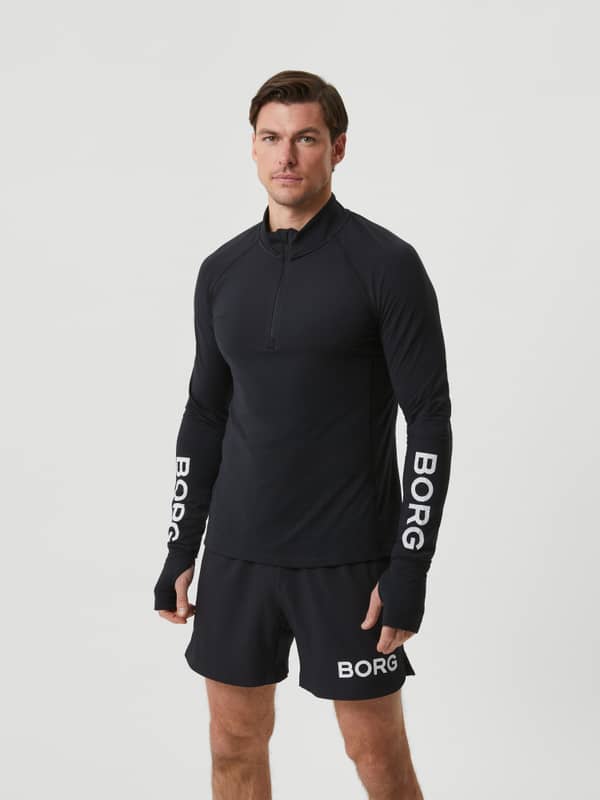
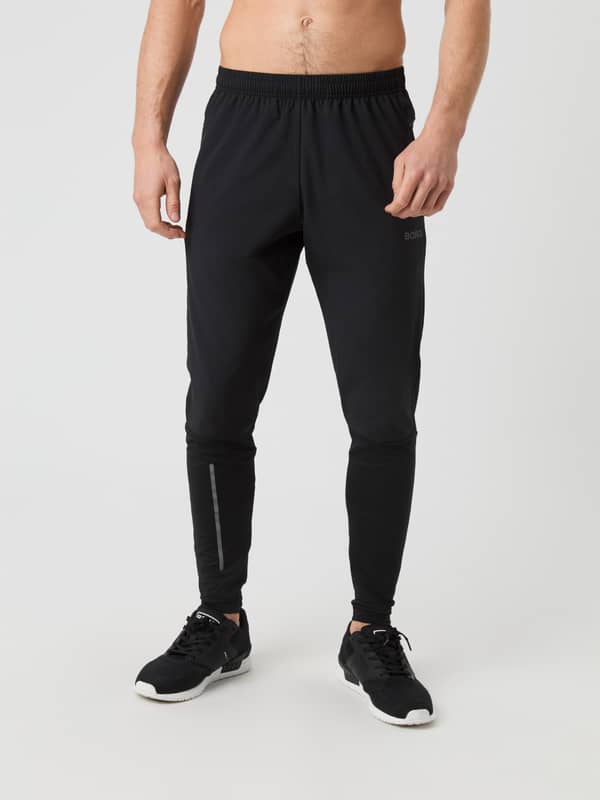
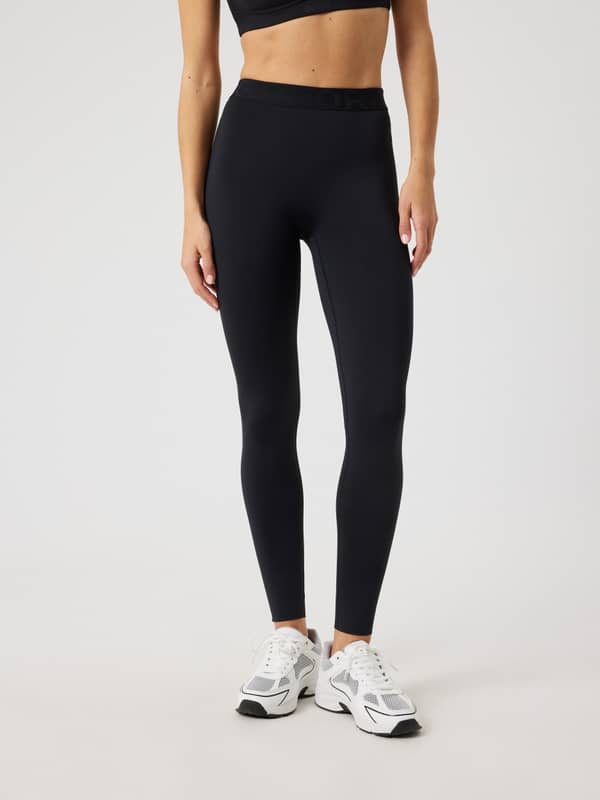
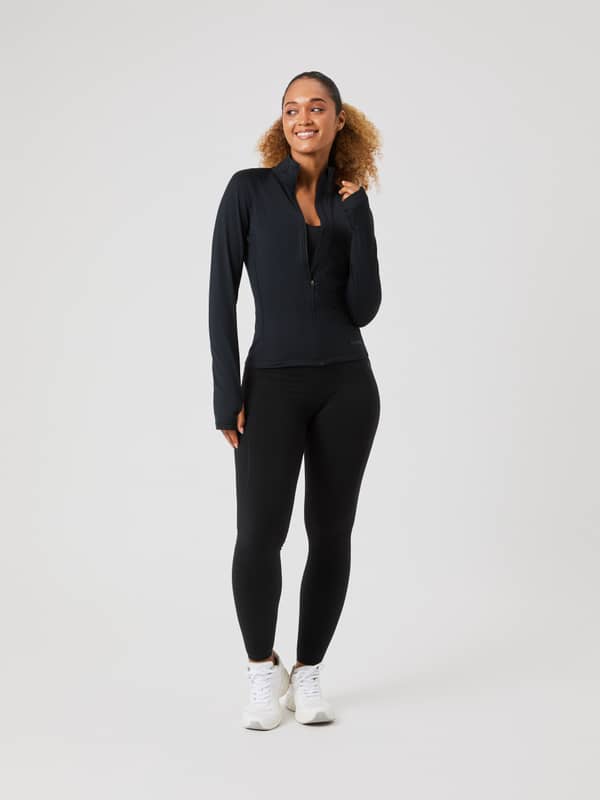
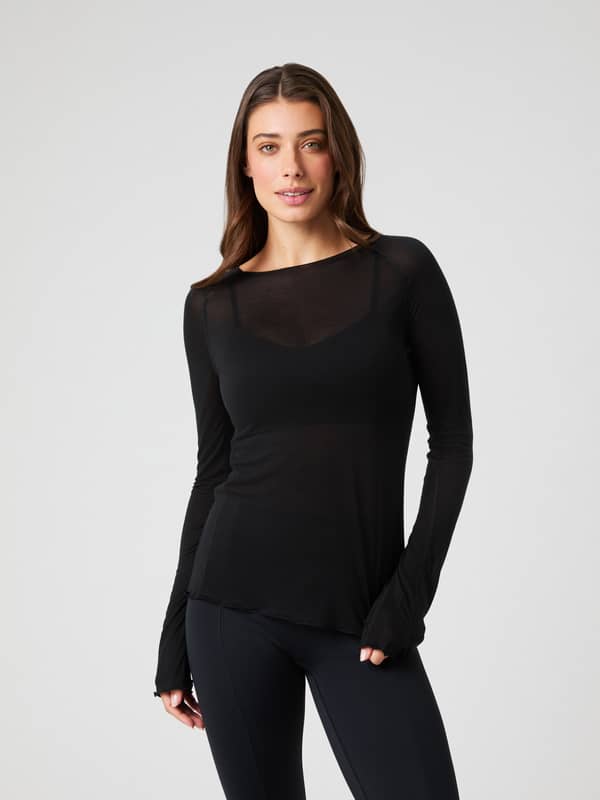
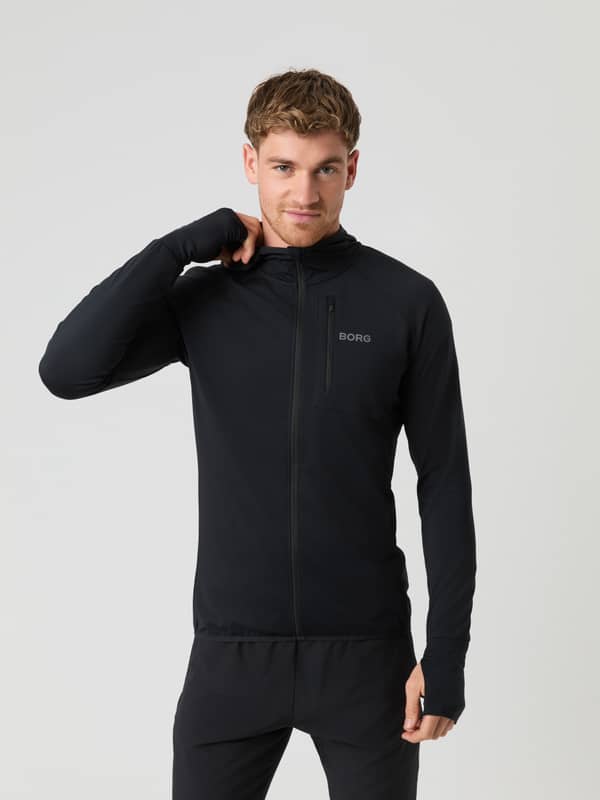
What you wear when rucking will naturally depend on the season and weather, but dressing in layers is always a smart approach. That way, you can remove a layer if you get too warm or add one if it gets chilly. A comfortable pair of tights, a midlayer top, and a windbreaker make a great hiking outfit.
Proper footwear is key – you’ll want shoes with good cushioning and support. Sturdy hiking boots or trail running shoes are excellent options.





- -20%
- Utsolgt




- -20%
- Utsolgt